


Capturing Stunning Beach Moments with Photography
- D D
- Jun 8
- 4 min read
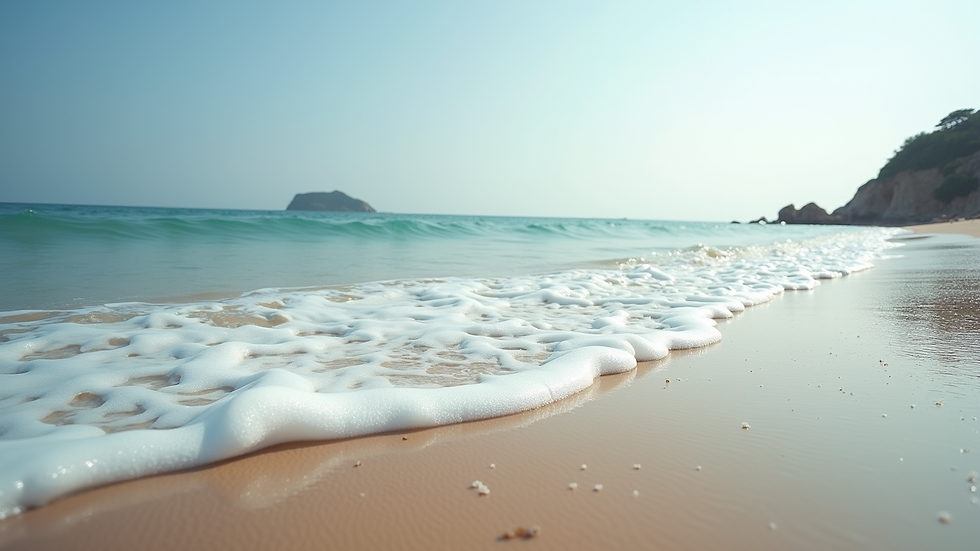
Beach photography is a captivating way to document the beauty of nature and the joy of life by the sea. Whether you're a seasoned photographer or just starting, capturing stunning beach moments can be both rewarding and challenging. In this post, we will explore techniques, tips, and creative ideas to help you take breathtaking photos at the beach.

Understanding the Beach Environment
The Unique Lighting Conditions
One of the most significant factors in beach photography is the lighting. The beach environment offers unique lighting conditions that can change dramatically throughout the day. Here are some key points to consider:
Golden Hour: The hour after sunrise and before sunset provides soft, warm light that enhances colors and reduces harsh shadows.
Midday Sun: While the sun is high, it can create strong contrasts and harsh shadows. If you must shoot during this time, consider using a polarizing filter to reduce glare and enhance colors.
Cloudy Days: Overcast skies can provide diffused light, which is excellent for capturing details without the harshness of direct sunlight.
The Elements of the Beach
Understanding the elements of the beach can help you compose your shots effectively. Key elements include:
Sand: The texture and patterns of the sand can add depth to your photos.
Water: Waves, reflections, and the movement of water can create dynamic images.
Sky: The colors and cloud formations can dramatically change the mood of your photos.
Essential Gear for Beach Photography
Camera and Lenses
While any camera can capture beautiful beach moments, having the right gear can make a difference. Consider the following:
DSLR or Mirrorless Camera: These cameras offer versatility and high image quality.
Lenses: A wide-angle lens is ideal for capturing expansive beach scenes, while a telephoto lens can help you focus on distant subjects.
Accessories
Don't forget to pack these essential accessories:
Tripod: A sturdy tripod can help stabilize your camera, especially in windy conditions.
Polarizing Filter: This filter reduces glare from the water and enhances colors.
Waterproof Bag: Protect your gear from sand and water with a waterproof bag or case.
Techniques for Stunning Beach Photography
Composition Tips
Composition plays a crucial role in photography. Here are some techniques to enhance your beach photos:
Rule of Thirds: Position your subject off-center to create a more dynamic composition. Imagine dividing your frame into a 3x3 grid and place your subject along the lines or at the intersections.
Leading Lines: Use natural lines, such as the shoreline or footprints in the sand, to lead the viewer's eye into the photo.
Framing: Use elements like rocks or palm trees to frame your subject, adding depth to your images.
Capturing Movement
The beach is full of movement, from crashing waves to people playing in the sand. Here are ways to capture that energy:
Shutter Speed: Use a fast shutter speed to freeze action, like a wave crashing or a child running. Alternatively, a slower shutter speed can create a dreamy effect with water.
Panning: Follow a moving subject with your camera to create a sense of motion while keeping the subject sharp.
Creative Ideas for Beach Photography
Silhouettes at Sunset
Shooting silhouettes can create dramatic and emotional images. To capture a silhouette:
Position your subject between the camera and the sunset.
Expose for the bright background, allowing the subject to appear dark.
Experiment with different poses and angles to find the most striking silhouette.
Reflections in Water
The beach often provides opportunities for stunning reflections. Look for:
Puddles: After a wave recedes, shallow puddles can create beautiful reflections of the sky and surroundings.
Wet Sand: The wet sand can mirror the colors of the sunset or the clouds above.
Capturing Wildlife
Beaches are home to various wildlife, from birds to marine life. Here are tips for photographing wildlife:
Patience: Wait for the right moment to capture animals in their natural behavior.
Long Lens: Use a telephoto lens to get close-up shots without disturbing the wildlife.
Post-Processing Your Beach Photos
Editing Software
Post-processing can enhance your beach photos significantly. Consider using software like Adobe Lightroom or Photoshop. Here are some editing tips:
Adjust Exposure: Correct any exposure issues to ensure your images are bright and vibrant.
Enhance Colors: Boost the saturation and vibrance to make the colors pop, especially during sunset.
Crop for Composition: Don’t hesitate to crop your images to improve composition and focus on the subject.
Creating a Consistent Style
Developing a consistent editing style can help your beach photos stand out. Consider:
Color Palette: Stick to a specific color palette that reflects the mood of your beach photography.
Filters and Presets: Use filters or presets to create a cohesive look across your images.
Sharing Your Beach Photography
Choosing the Right Platform
Once you have captured and edited your stunning beach moments, it’s time to share them. Consider the following platforms:
Instagram: A visual platform perfect for showcasing your photography.
Photography Websites: Create a portfolio on sites like 500px or Flickr to reach a broader audience.
Engaging with Your Audience
Engagement is key to building a following. Here are some tips:
Use Relevant Hashtags: Help others discover your work by using popular photography and beach-related hashtags.
Interact with Followers: Respond to comments and engage with your audience to build a community around your photography.
Conclusion
Capturing stunning beach moments with photography is an art that combines technical skills, creativity, and an understanding of the environment. By mastering the unique lighting conditions, using the right gear, and applying effective techniques, you can create breathtaking images that tell a story. Remember to experiment, be patient, and most importantly, enjoy the process of capturing the beauty of the beach. So grab your camera, head to the shore, and start creating your own stunning beach moments!

Comments