


Exploring Coastal Beauty: A Photographer's Journey
- D D
- Jun 8
- 3 min read
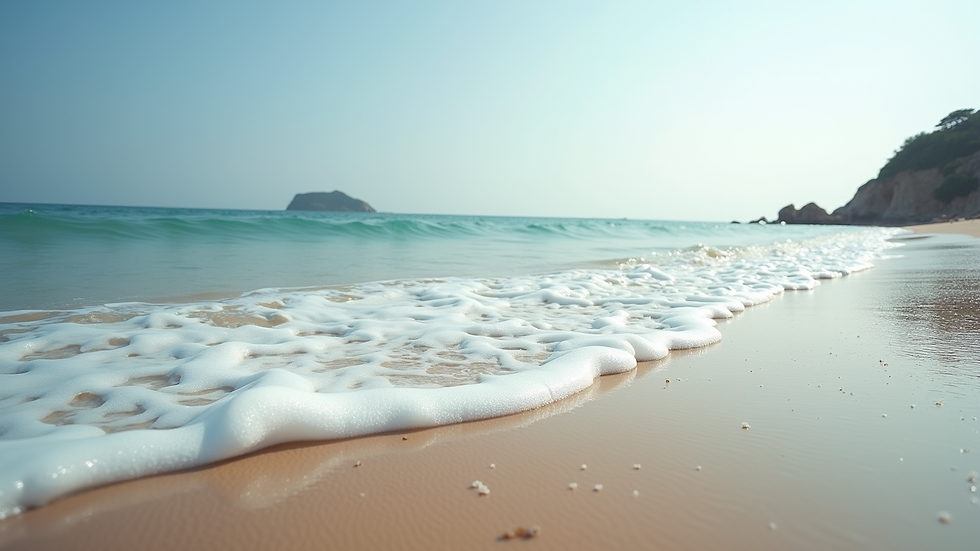
Coastal landscapes have a unique allure that captivates photographers and nature lovers alike. The interplay of light, water, and land creates stunning visuals that tell stories of serenity, adventure, and the raw power of nature. In this blog post, we will embark on a journey through some of the most breathtaking coastal locations, sharing tips and insights for capturing their beauty through photography.

The Allure of Coastal Photography
Coastal photography is not just about capturing pretty pictures; it’s about conveying emotion and storytelling. The coastlines are dynamic, constantly changing with the tides, weather, and seasons. Here are a few reasons why coastal photography is so compelling:
Dramatic Landscapes: The rugged cliffs, sandy beaches, and vibrant sunsets create a diverse range of scenes.
Wildlife Encounters: Coastal areas are often home to unique wildlife, from seabirds to marine mammals, providing opportunities for stunning wildlife photography.
Changing Light: The coastal environment offers a variety of lighting conditions, from the soft glow of dawn to the fiery hues of sunset.
Essential Gear for Coastal Photography
Before heading out to capture the coastal beauty, it's crucial to have the right gear. Here’s a list of essential equipment for coastal photography:
Camera: A DSLR or mirrorless camera with manual settings will give you the flexibility to adjust exposure and focus.
Lenses: A wide-angle lens is ideal for capturing expansive landscapes, while a telephoto lens can help you photograph distant wildlife.
Tripod: A sturdy tripod is essential for long exposure shots, especially during low light conditions.
Filters: Polarizing filters can reduce glare from water surfaces, while ND filters allow for longer exposures in bright conditions.
Waterproof Bag: Protect your gear from saltwater and sand with a waterproof camera bag.
Best Coastal Locations for Photography
1. Big Sur, California
Big Sur is renowned for its dramatic cliffs and stunning ocean views. The Pacific Coast Highway offers numerous vantage points for photographers. Key spots include:
McWay Falls: A picturesque waterfall that cascades onto the beach.
Bixby Creek Bridge: An iconic bridge that provides breathtaking views of the coastline.
2. The Great Ocean Road, Australia
This scenic drive features some of the most stunning coastal landscapes in the world. Highlights include:
Twelve Apostles: Limestone stacks that rise majestically from the ocean.
Loch Ard Gorge: A beautiful cove surrounded by towering cliffs.
3. Amalfi Coast, Italy
The Amalfi Coast is famous for its colorful villages perched on cliffs overlooking the Mediterranean Sea. Notable locations include:
Positano: A charming village with vibrant houses and stunning beach views.
Ravello: Known for its gardens and panoramic views of the coastline.
Techniques for Capturing Coastal Beauty
Understanding Light
Light is one of the most critical elements in photography. Here are some tips for working with natural light:
Golden Hour: The hour after sunrise and before sunset provides soft, warm light that enhances coastal scenes.
Overcast Days: Cloudy skies can create a diffused light effect, perfect for capturing details without harsh shadows.
Composition Tips
Composition plays a vital role in creating impactful images. Consider these techniques:
Rule of Thirds: Position key elements along the grid lines to create balance.
Leading Lines: Use natural lines, such as shorelines or pathways, to guide the viewer's eye through the image.
Long Exposure Techniques
Long exposure photography can create stunning effects, especially with water. Here’s how to achieve it:
Use a Tripod: A stable base is essential for long exposures.
ND Filters: These filters reduce the amount of light entering the lens, allowing for longer shutter speeds without overexposing the image.
Post-Processing Tips
Editing your coastal photos can enhance their beauty and bring your vision to life. Here are some post-processing tips:
Adjust Exposure: Fine-tune the brightness and contrast to make your images pop.
Color Correction: Enhance the colors to reflect the mood of the scene.
Sharpening: Apply sharpening to bring out details, especially in landscapes.
The Importance of Respecting Nature
As photographers, it’s essential to respect the natural environment we are capturing. Here are some guidelines to follow:
Leave No Trace: Always clean up after yourself and avoid disturbing wildlife.
Stay on Trails: Protect fragile ecosystems by sticking to established paths.
Conclusion
Coastal photography offers a unique opportunity to capture the beauty of nature in its most dynamic form. By understanding the best locations, techniques, and gear, you can create stunning images that tell a story. Remember to respect the environment and enjoy the journey as you explore the breathtaking coastal landscapes.
Whether you are a seasoned photographer or just starting, the coast has something to offer everyone. Grab your camera, head to the nearest shoreline, and let the beauty of the coast inspire your next photographic adventure.

Comments